Published: January 28, 2026 | Topic: Investigative Report
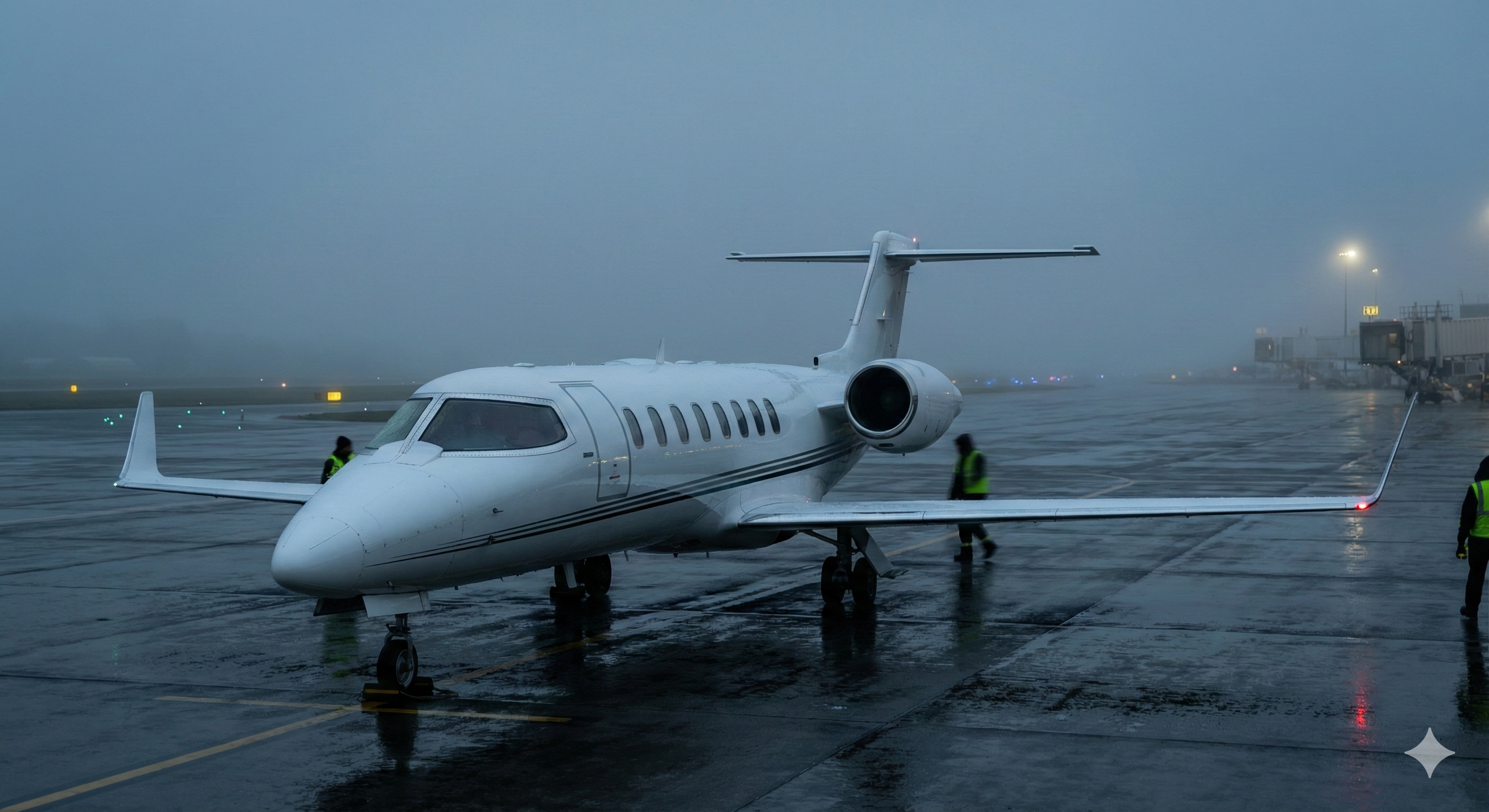
The catastrophic crash of a Learjet 45 in Baramati today, claiming the life of Maharashtra Deputy CM Ajit Pawar, has sent shockwaves through the nation. But as the "Breaking News" ticker fades, a darker reality is emerging.
This was not a freak accident. It was a disaster waiting to happen. By analyzing flight telemetry, weather reports, and the operator's history, we can see a clear chain of errors that led to this tragedy.
1. Minute-by-Minute: The Anatomy of a Crash
The flight, operated by VSR Ventures (VT-SSK), departed Mumbai at 08:10 AM. The journey was short—a standard hop for a political VIP. However, the destination, Baramati Airport, is not Mumbai. It lacks the Category III Instrument Landing Systems (ILS) that guide planes down automatically in dense fog.
- 08:36 AM (The First Warning): The pilots attempted to land. The telemetry shows they descended to 2,500 feet but could not see the runway. They executed a "Go-Around"—a standard safety maneuver where pilots abort landing and climb back up.
- 08:40 AM (The Critical Error): Instead of diverting to a safer airport like Pune or Mumbai, they attempted a second approach. This is often called "Get-There-Itis"—the psychological pressure to deliver a VIP to their destination regardless of risk.
- 08:43 AM (The Impact): While turning to reposition for the runway, the aircraft was observed tilting sharply to the left. In aviation terms, this looks like a "Low-Altitude Stall." The plane lost lift and plummeted.
2. The "VSR Curse": A Pattern of Negligence?
If this were a one-time event, we could call it bad luck. But the data suggests otherwise. VSR Ventures has a troubling track record with the Learjet 45.
On September 14, 2023, another Learjet 45 operated by the same company (VSR Ventures) crashed at Mumbai Airport. In that incident, the plane skidded off the runway in heavy rain, snapping its fuselage in half.
Comparative Analysis: 2026 vs 2023
| Parameter | Baramati Crash (Today) | Mumbai Crash (Sept 2023) |
|---|---|---|
| Operator | VSR Ventures Pvt Ltd | VSR Ventures Pvt Ltd |
| Registration | VT-SSK | VT-DBL |
| Phase of Flight | Go-Around (Maneuvering) | Landing Roll (Touchdown) |
| Weather Factor | Fog / Visibility below minima | Heavy Rain / Visibility issues |
| Outcome | Fatal (5 Deaths) | Hull Loss (8 Injured) |
Two hull losses (total destruction of aircraft) by the same small operator in 3 years is statistically alarming. It raises serious questions about their pilot training standards for "marginal weather" conditions.
3. The Human Cost: Who was flying?
Behind the metal and telemetry were real people. The flight was commanded by Captain Sumit Kapur, a veteran with over 16,500 flying hours. However, total hours can be misleading. Aviation safety often depends on recent experience in the specific aircraft type.
His Co-pilot, Shambhavi Pathak, was a younger aviator trained in New Zealand. The investigation will likely focus on "Cockpit Gradient"—did the junior pilot feel comfortable challenging the senior captain's decision to attempt a second landing in such dangerous fog?
4. The Regulatory Black Hole
Commercial airlines are monitored 24/7. Private charters often operate in a grey zone. They fly into smaller, poorly equipped airports like Baramati, often under immense pressure from VIP passengers to "land at any cost."
What Needs to Happen Now?
The DGCA (Directorate General of Civil Aviation) must do more than just investigate this single crash. We need:
- Immediate Audit: Of all VSR Ventures' operations and maintenance records.
- VIP Protocol: A mandatory "No-Go" rule for VIP flights when visibility drops below safe limits, removing the pressure from pilots.
- Airport Upgrades: If politicians want to fly into Baramati, the airport needs the safety tech to support them.
Today, India lost a leader. But if we ignore the data, we risk losing many more lives to the same preventable errors.